Owning a rental property can be a rewarding investment, but it also comes with a significant amount of work. From finding and screening tenants to handling maintenance requests and navigating legal

Dated: August 3 2022
Views: 24
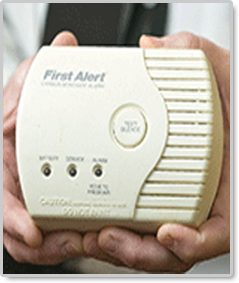
A CO detector should not be placed within 15 feet of heating or cooking appliances.
CO detectors should not be placed in or near humid areas, such as bathrooms.
Do not install CO detectors within 15-20 feet of any furnace or fuel-burning appliances, as these appliances may emit a small amount of carbon monoxide upon start-up, and give false alarms.
Do not place your CO detectors in areas where they will be damaged by children or pets.
Do not install CO detectors in direct sunlight or areas subjected to temperature extremes, such as crawlspaces, unfinished attics, and porches.
They should not be installed behind curtains or other obstructions.
And your CO detectors may not function properly if installed near ceiling fans, heat vents, air conditioners, fresh air returns, or open windows.

There are many reasons why I enjoy helping people with their real estate needs. First and foremost is the deep satisfaction I get from helping them realize their dreams and get through the major trans....
Owning a rental property can be a rewarding investment, but it also comes with a significant amount of work. From finding and screening tenants to handling maintenance requests and navigating legal
You stand on your portal, looking out at the Sandias turning their signature watermelon pink. You remember buying this house. Maybe it was a starter home in Taylor Ranch you bought for a song, or a
The U.S. housing market is showing signs of cooling down, with price growth decelerating and some markets even experiencing declines. This trend is particularly evident in the Sun Belt region, which
Taking the First Step: Your Essential Guide to Moving Out of StateEmbarking on the journey of relocating to a new state is both exciting and challenging. The initial step in this process is thorough
 IDX information © 2026 The Southwest Multiple Listing Service, Inc. IDX information is provided exclusively for consumers' personal, non-commercial use and may not be used for any purpose other than to identify prospective properties consumers may be interested in purchasing. Data is deemed reliable but is not guaranteed accurate by The Southwest Multiple Listing Service or Equity New Mexico Real Estate. Data last updated: September 24, 2026 8:31 PM UTC
 Santa Fe Association of REALTORS® All information deemed reliable but not guaranteed. All properties are subject to prior sale, change or withdrawal. Neither listing broker(s) or information provider(s) shall be responsible for any typographical errors, misinformation, misprints and shall be held totally harmless. Listing(s) information is provided for consumer's personal, non-commercial use and may not be used for any purpose other than to identify prospective properties consumers may be interested
in purchasing. The data relating to real estate for sale on this website comes in part from the Internet Data Exchange program of the Multiple Listing Service. Real estate listings held by brokerage firms other than Equity New Mexico Real Estate may be marked with the Internet Data Exchange logo and detailed information about those properties will include the name of the listing broker(s) when required by the MLS. Copyright ©2026 All rights reserved.
Last Updated: September 24, 2026 8:19 PM UTC
Show More...
Santa Fe Association of REALTORS® All information deemed reliable but not guaranteed. All properties are subject to prior sale, change or withdrawal. Neither listing broker(s) or information provider(s) shall be responsible for any typographical errors, misinformation, misprints and shall be held totally harmless. Listing(s) information is provided for consumer's personal, non-commercial use and may not be used for any purpose other than to identify prospective properties consumers may be interested
in purchasing. The data relating to real estate for sale on this website comes in part from the Internet Data Exchange program of the Multiple Listing Service. Real estate listings held by brokerage firms other than Equity New Mexico Real Estate may be marked with the Internet Data Exchange logo and detailed information about those properties will include the name of the listing broker(s) when required by the MLS. Copyright ©2026 All rights reserved.
Last Updated: September 24, 2026 8:19 PM UTC
Show More...
 Listing information provided courtesy of the Realtor Association of New Mexico. IDX information is provided exclusively for consumers' personal, non-commercial use, and it may not be used for any purpose other than to identify prospective properties consumers may be interested in purchasing. The data is deemed reliable, but is not guaranteed accurate by the MLS.
